Understanding Why Memory Can Feel Harder To Access Over Time
A short presentation explains how brain communication may affect focus, clarity, and recall.
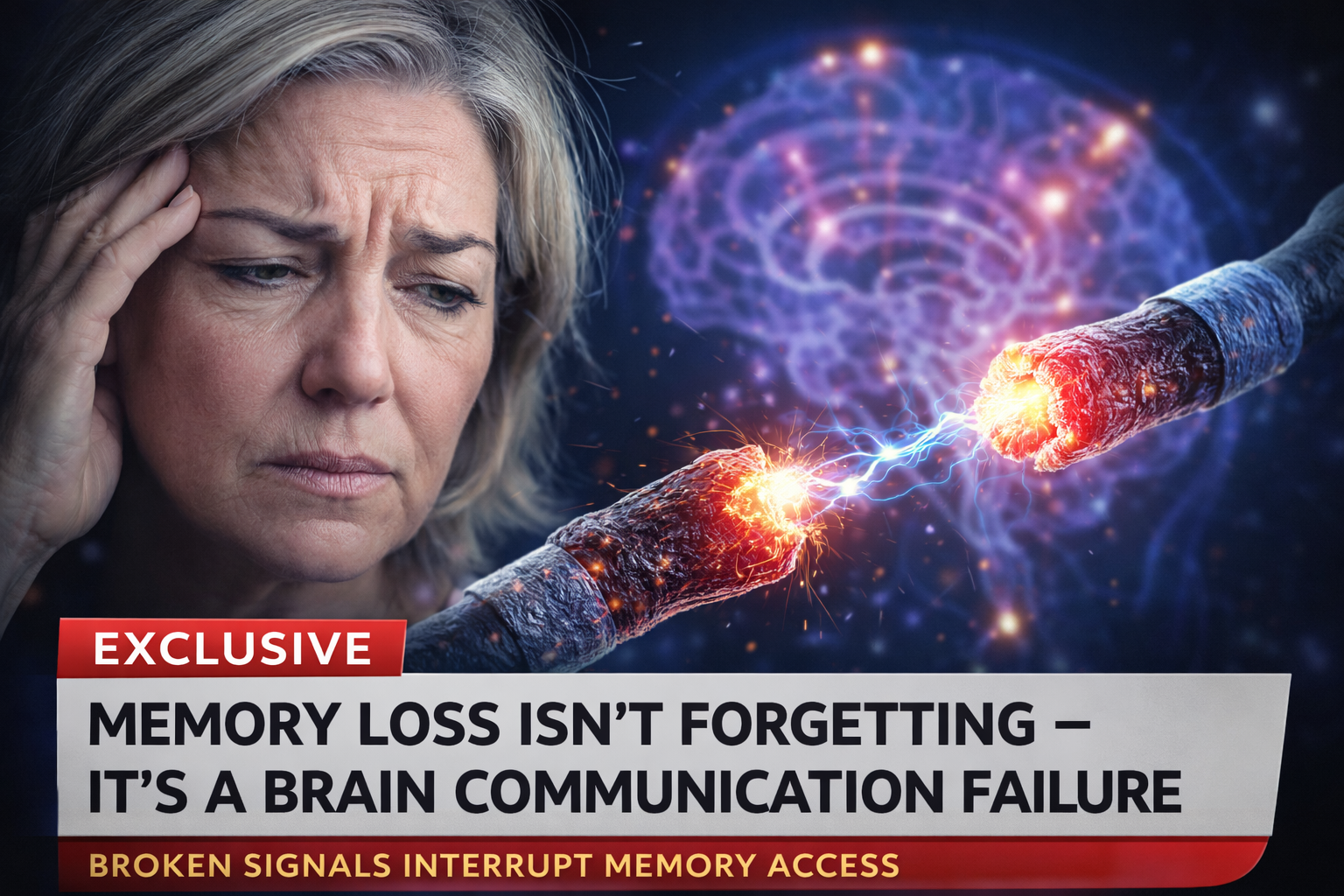
Many adults notice subtle changes in memory over time. Moments of reduced focus, difficulty recalling information, or occasional mental fatigue can appear gradually and often without a clear explanation.
These experiences are common and can have multiple contributing factors, including lifestyle, stress levels, sleep quality, and overall brain health. Understanding how memory works may help clarify why these changes happen.
Memory is not a single process. To recall information, the brain relies on communication between billions of nerve cells. These cells send signals to one another through complex neural pathways. When communication is efficient, information can be accessed quickly and clearly.
If signaling becomes less efficient, accessing stored information may feel more difficult, even when the memory itself is still present.
Many people notice that memory challenges are not constant. Some days feel normal, while others feel mentally slower or less clear. Researchers suggest this may be related to how effectively signals travel within the brain at a given moment.
Factors such as oxidative stress, inflammation, and age-related changes in neural structures may influence this process. Recent studies continue to explore how brain communication supports cognitive function. Rather than focusing only on memory storage, researchers are examining the role of signal transmission and neural efficiency.
A short educational presentation provides an overview of how brain communication supports memory, what may interfere with efficient signaling, why memory access can feel harder over time, and what researchers are studying to support cognitive function.
This content may be relevant for individuals who have noticed occasional brain fog, reduced mental clarity, difficulty recalling words or information, or changes in focus or concentration — especially when these experiences appear gradually.
This content is provided for informational purposes only. It is not intended to diagnose, treat, cure, or prevent any disease. Individual experiences may vary. Always seek advice from a qualified healthcare professional.
Quick Questions
Is this a medical treatment?
No. This is an educational presentation intended to explain research perspectives on memory and brain communication.
Who is this for?
Adults who notice occasional brain fog, reduced clarity, or difficulty recalling information and want a clearer explanation of how memory works.
How long is the presentation?
It’s a short presentation that can be watched online.
What will I learn?
An overview of how brain signaling relates to memory access, what may interfere with signaling, and why memory can feel harder to access over time.